

Series Testing Board Wiring
Learn how to wire a series testing board to safely check appliances, identify faults, and test current flow without damaging electrical equipment.

how to make a series tester board
A testing board is an inexpensive and safe alternative to test electric appliances of sorts. It uses a light bulb to limit current supply in series with it so that people could identify the fault using the same without damaging the appliance. In case there is an overcurrent in an appliance, the bulb lights up and shows a visual fault indicator. This renders it very suitable to use in do-it-yourself diagnostics and electrical repair work carried out by the novice. Testing fans, motors, or chargers, a series board is a tool you can not do without as an electrician.
Series Test Formula Summary:
Ohm’s Law: V = I × R
The bulb controls current flow, and its brightness indicates the load's condition:
- Bright bulb: short circuit or high current draw
- Dim bulb: low current or normal operation
- Off bulb: open circuit or no load
series bulb tester circuit
A series testing board is a vital constructional electrical device providing the testing of the components and appliances in a safe manner. It is used to maintain the current through a test bulb in series with the load, hence protecting the device under test. In case of a short circuit in the appliance, the bulb glows brightly, which means there is a fault. The use of this simple but efficient tool will prevent any incidental scrap when performing the diagnostics. It is a simple-to-use device used regularly by electricians and hobbyists and contains the fundamentals of a socket, holder, bulb, switch, and wiring. A homemade tester board can save a lot of money and is safer both in a workshop and at home.
Series connection tester board
| Appliance | Bulb Status | Indication |
|---|---|---|
| Fan | Dim | Normal Operation |
| Shorted Iron | Bright | Short Circuit |
| Mobile Charger | Off | Open Circuit |
Frequently Asked Questions - Series Testing Board Wiring:
What is a series testing board?
A device used to test electrical appliances by limiting current using a series-connected bulb.
How does a bulb in a tester board work?
The bulb lights up based on current draw, indicating the appliance’s condition.
What happens if the bulb glows brightly?
It indicates a short circuit or high current in the appliance.
Can I use LED bulbs in series testing boards?
No, use incandescent bulbs to handle varying current loads properly.
Is it safe for beginners?
Yes, it adds a safety layer when testing unknown appliances.
What components are needed?
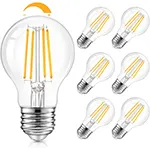
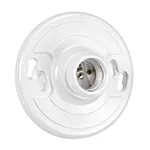
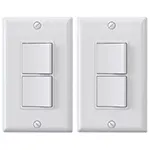
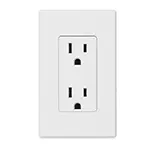
Bulb holder, test bulb, switch, socket, wire, and a wooden/plastic base.
Where can I use this tester?
To test fans, irons, chargers, motors, etc., in homes or workshops.
Does it replace a multimeter?
No, it's a basic safety tool, not a measurement device.
What voltage does it support?
Standard 220–240V household appliances.
Why is the bulb not glowing?
Check for open circuit, no load, or broken bulb.
Related Posts
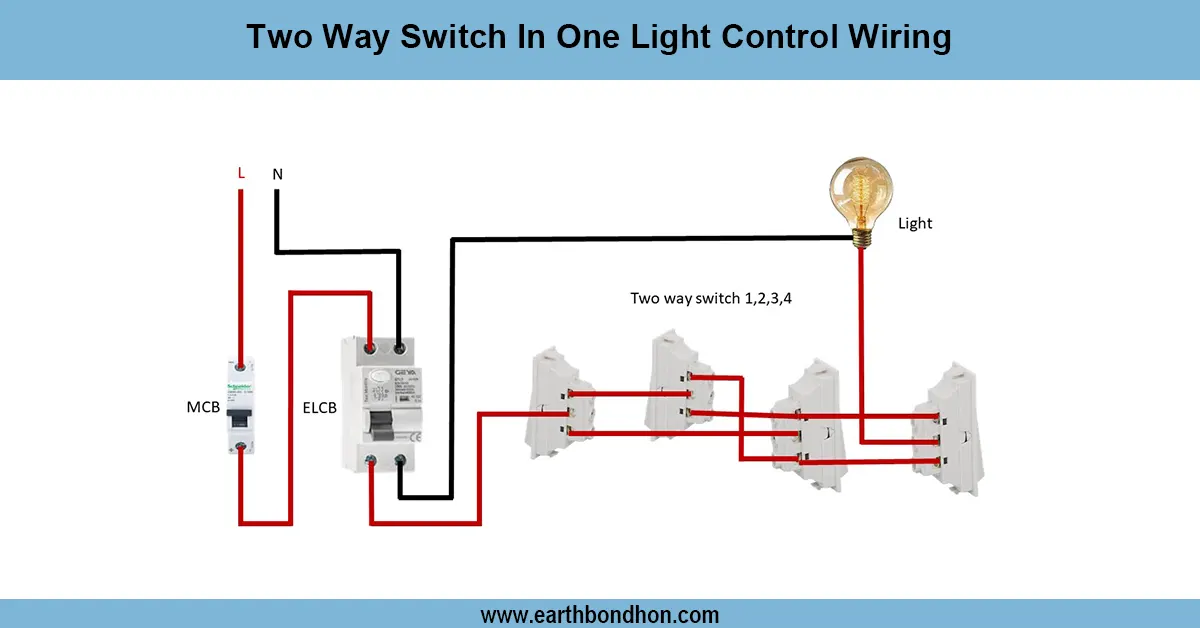
2-Way Light switch wiring circuit
Wiring diagram to control a single light from two locations using two-way switches for convenient ON/OFF switching in homes and offices.
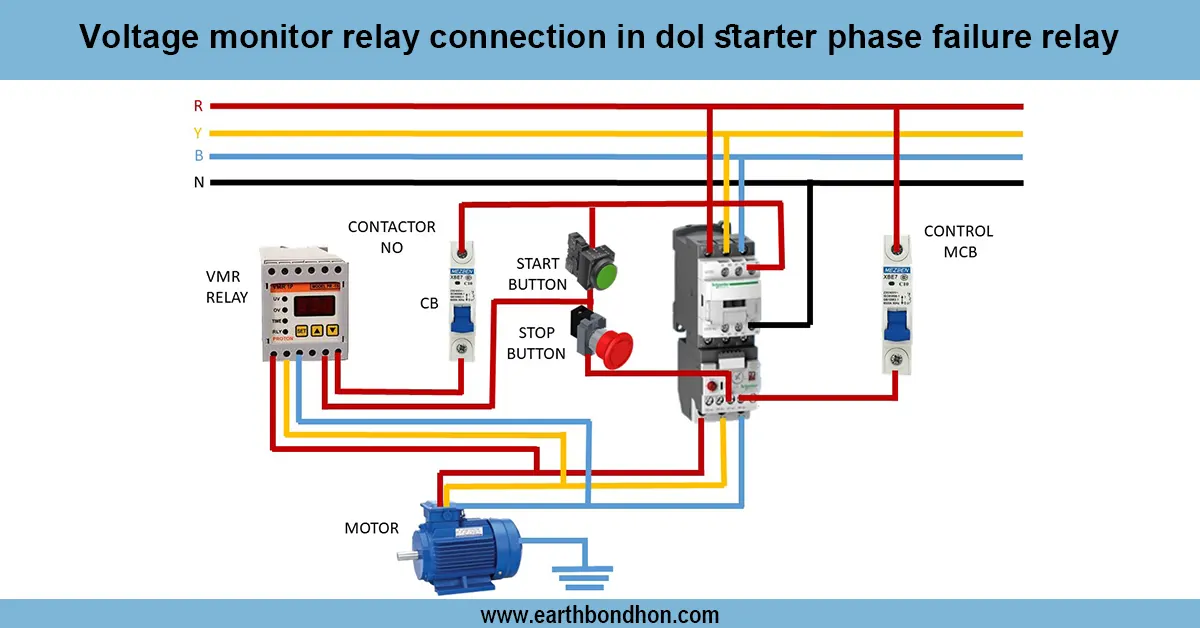
Voltage monitor Relay connection
Learn how to wire a voltage monitor relay in a DOL starter to protect 3-phase motors from phase loss, phase reversal, and voltage faults with easy connection steps.
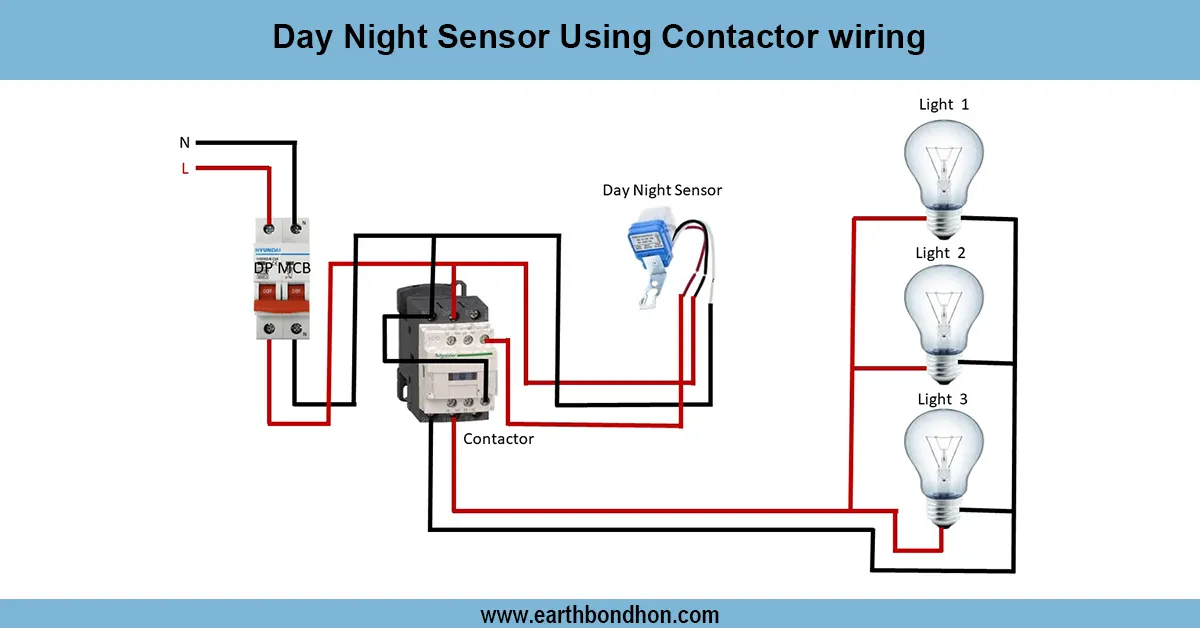
Day Night Sensor Using Contactor wiring
Automatic lighting control using a day-night sensor with a contactor for high-load circuits, ensuring safe, efficient, and hands-free operation.
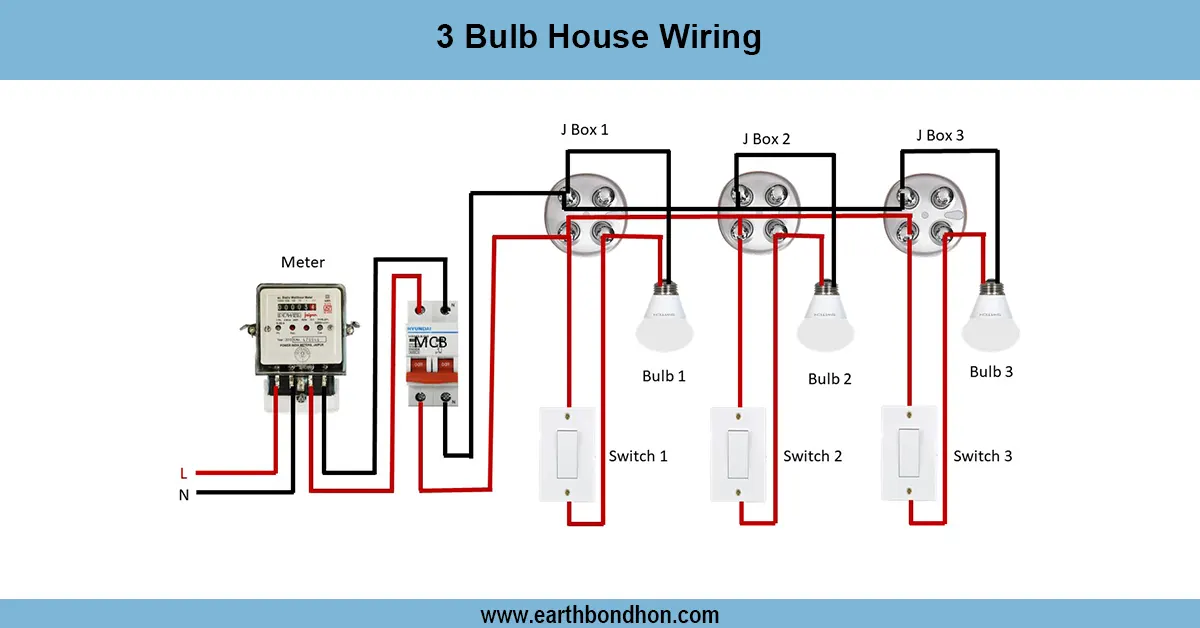
Single Phase House wiring circuit diagram
Simple 3-bulb house wiring diagram showing connections of bulbs with switches and power supply for safe and efficient home lighting control.
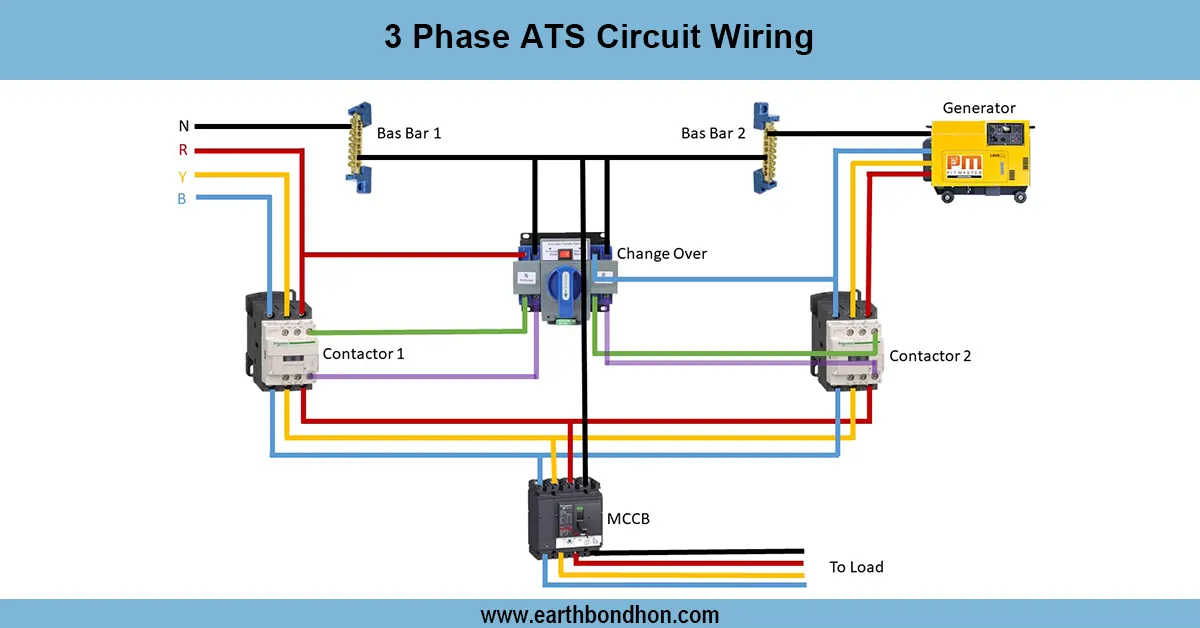
3-Phase ATS circuit wiring
Detailed 3 phase ATS wiring diagram for automatic transfer switch installation to switch power between mains and generator safely and efficiently.
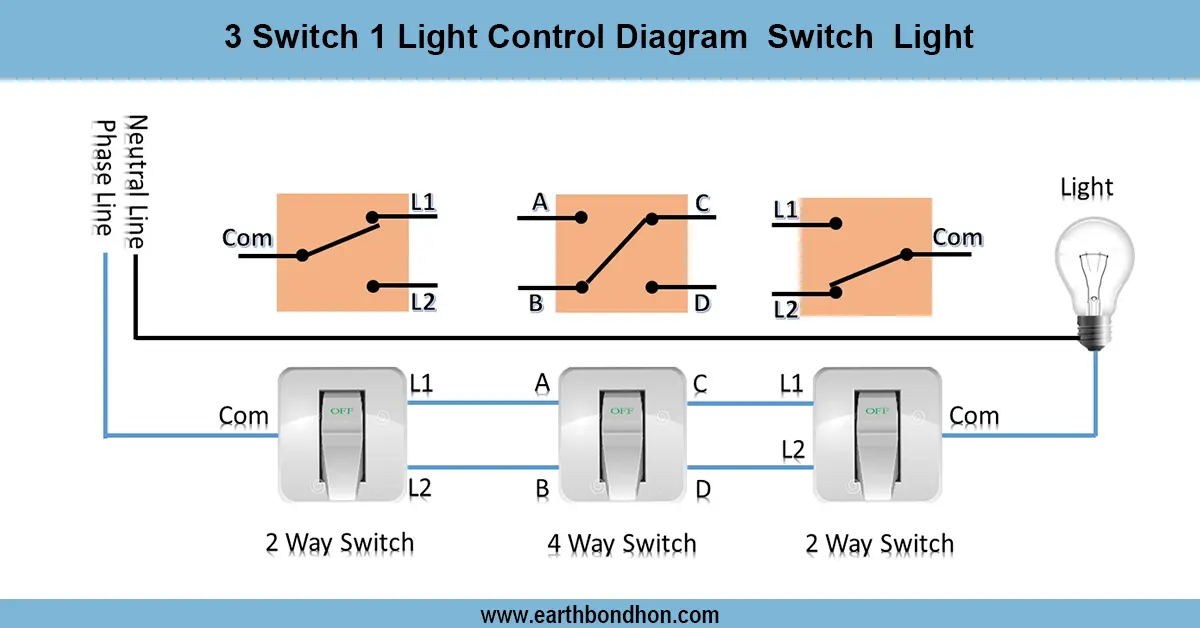
3 Switch 1 Light Wiring Diagram
Learn how to control one light using three switches with step-by-step wiring diagrams, circuit explanation, and real-life application tips for efficient electrical setups.