


1 Switch 1 Socket connection
Learn how to wire a light and socket using one switch. Simple connection for homes and offices with a clear circuit diagram and safety instructions.

1 socket switch wiring diagram
Want to know how to wire one switch to control both a light and a socket? This is a practical circuit diagram with a step-by-step explanation. The combined wiring arrangement will guarantee that there is only one point of control available, such that both the light and socket can be controlled using the same control point. It becomes useful in small rooms or workshops since it is easier to wire, and also its usage is efficient.
Formula & Table Summary:
Basic Connection Formula:
Live → Switch → Light + Socket | Neutral → Light & Socket
| Component | Description |
|---|---|
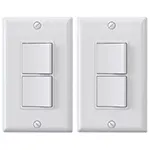
| Switch | Single-pole one-way switch |
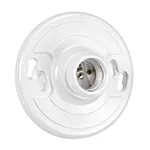
| Light | 1 Ceiling or Wall-mounted Lamp |
| Socket | 3-pin power socket |
| Power Supply | 230V AC |
| Wiring Color | Phase (Red), Neutral (Black), Earth (Green) |
single switch socket wiring
Here is the wiring diagram on how the circuit should be installed, where there is one switch by which the lights and the sockets are controlled. It can also be applicable in cases where small spaces are available, such as rooms, corridors, or utility rooms. The switch will be attached in a manner that, when switched on, it supplies the socket and the light. A wiring in this setup eliminates the supply of power to the socket when the switch is switched off, providing an added safety measure to a temporary or controlled emplacement. This wiring diagram is easy to understand by anyone who needs to study any electrical task, as well as those who are doing their own practical electrical work.
one switch two output wiring
| Component | Terminal 1 | Terminal 2 | Notes |
|---|---|---|---|
| Switch | Live Phase | Output to Load | Controls both socket & light |
| Light Bulb | Phase (from switch) | Neutral | Turns ON when switch is ON |
| Socket | Phase (from switch) | Neutral | Powers ON with light |
Frequently Asked Questions - 1 Switch 1 Socket connection:
Can one switch control both a socket and light?
Yes, with proper wiring, a single switch can control both a socket and a light.
Is it safe to connect a socket and light together?
It is safe if done correctly and used for light loads.
What wire color is used for phase in wiring?
Red is commonly used for phase (live) in wiring.
What is the standard voltage for home wiring?
Standard home wiring usually uses 230V AC.
Should the socket be controlled by the switch?
Yes, in this configuration, the socket is only live when the switch is ON.
Can I use this setup for high-power appliances?
No, it is not recommended for high-power devices.
Do I need an earth connection for the socket?
Yes, always connect the earth for safety.
What type of switch is used?
A single-pole one-way switch is used.
Is this wiring legal for permanent installations?
Regulations vary; always follow local electrical codes.
What happens if neutral is not connected?
Neither the socket nor the light will work properly without a neutral line.
Related Posts
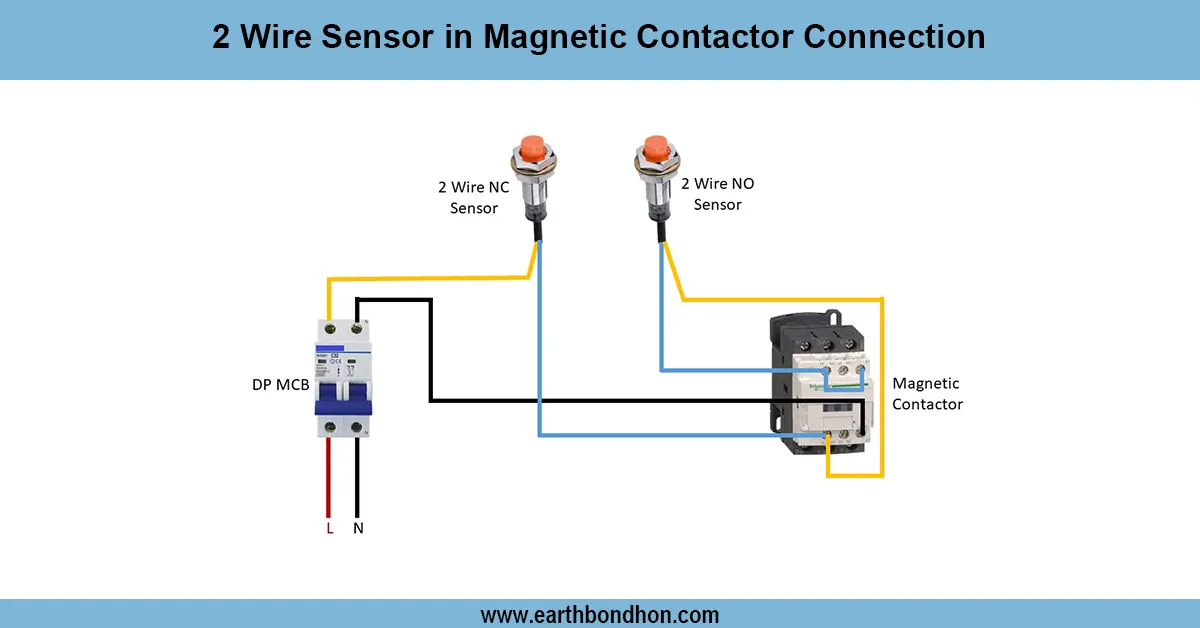
2-wire sensor in magnetic Contactor
Learn how to connect a 2-wire sensor with a magnetic contactor for automation control, including wiring steps and important considerations for reliable operation.
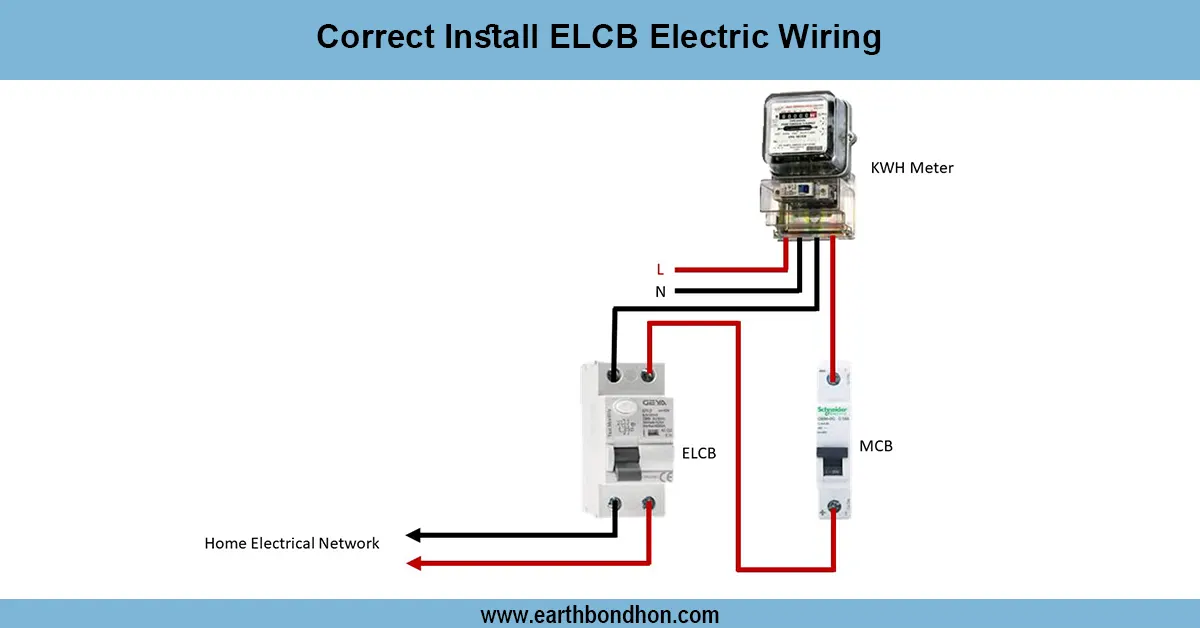
Earth Leakage Circuit Breaker wiring
Learn how to correctly install ELCB wiring to protect against electric shocks and faults. Step-by-step guide for safe electrical wiring with ELCB devices.

Ceiling Fan Wiring Diagram
Learn how to wire a ceiling fan with a switch and regulator. Easy-to-follow diagram, explanation, and common FAQs for safe and efficient ceiling fan installation.
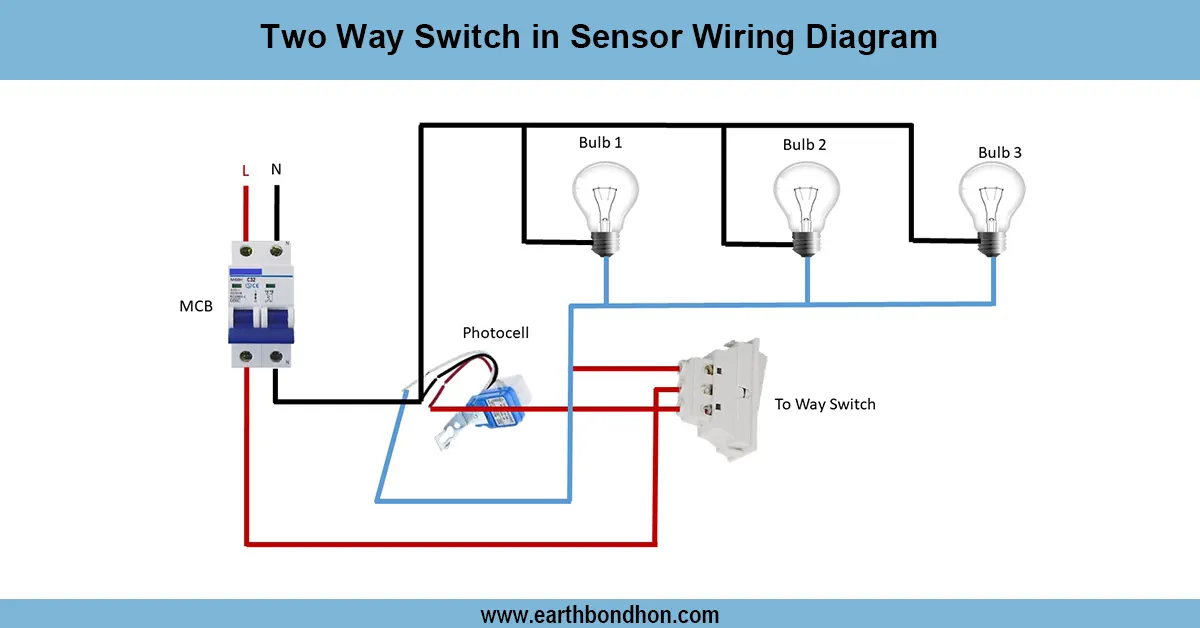
Two way light switch wiring
Wiring diagram showing how to connect a two-way switch with a motion sensor to control a light from two locations with automatic and manual override.
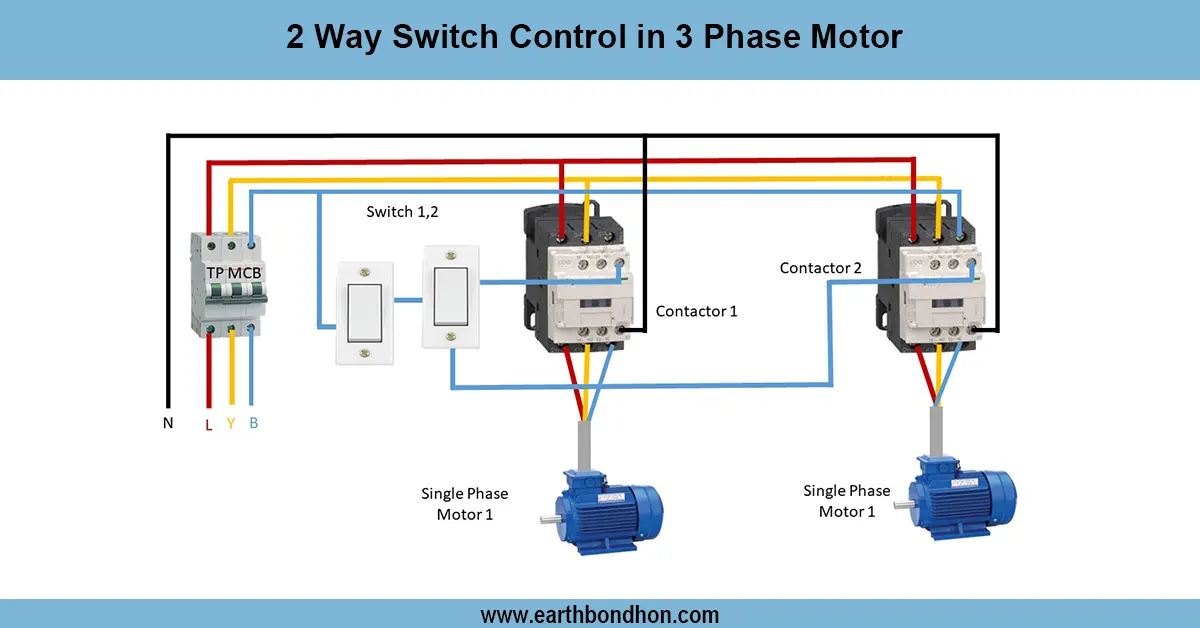
2-way Switch Control in 3-Phase Motor
Learn how to use a 2-way switch control for a 3-phase motor to operate it from two locations, including wiring diagrams and safety tips for reliable control.
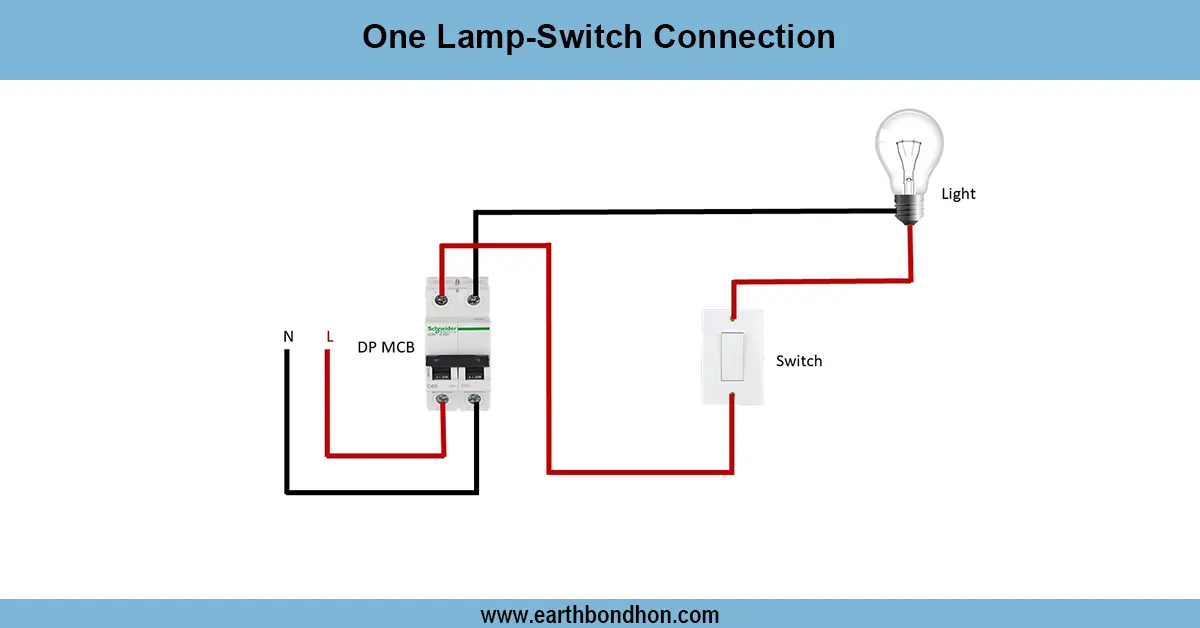
1 Way light Switch wiring Diagram
Learn how to wire a 1-way light switch to control a single light. Ideal for rooms, corridors, and small areas where one switch operates one light.