



Fan connection with regulator house Wiring Diagram
Learn how to wire a ceiling fan with a regulator at home. Follow this easy wiring diagram and guide for safe and efficient fan installation.

House fan regulator setup
A fan connection with a regulator will enable you to regulate the fan speed in your house easily. The installation is simple in that the live wire needs to connect to the regulator and then to the fan, and the neutral wire goes straight to the fan. The fan is started with the aid of a capacitor. Battery connection is in detail in this complete guide, with all the components included, to have a safe and efficient fan system.
Connection Formula:
For a basic bed switch system:
- Live → Regulator → Capacitor → Fan Motor
- Neutral → Fan Motor
Fan regulator connection diagram
Having a ceiling fan with a regulator is a fundamental but necessary piece of electrical work in households. The phase (live) conductor is wired through the fan regulator and to the fan motor, and this is done with speed control and safety. The regulator is usually bolted on the switchboard, and it regulates the level of voltage delivered to the fan, hence regulating the speed of the fan. The neutral can also be connected to the fan with the help of the phase line. The other connection is a capacitor that helps in starting the motor. Knowledge of this arrangement assists during the correct mounting, debugging, and repair of fans used in house wiring systems.
Ceiling fan wiring with regulator
| Component | Connection |
|---|---|
| Live (Phase) | Switch → Regulator → Fan |
| Neutral | Direct to Fan |
| Capacitor | Parallel to Fan Motor |
Frequently Asked Questions - Fan connection with regulator house Wiring Diagram:
What is a fan regulator?
It controls the speed of a ceiling fan by varying voltage.
How does a fan regulator work?
It adjusts resistance or voltage to control fan speed.
Can I wire a fan without a regulator?
Yes, but you cannot control its speed.
Where is the capacitor connected?
Parallel to the fan motor for starting torque.
Does polarity matter in fan wiring?
Yes, especially for correct capacitor and speed control.
What wire size is needed for a fan?
Typically 1.0 to 1.5 sq.mm copper wire is used.
Can I use a dimmer as a fan regulator?
No, fan regulators are designed for inductive loads.
How to test if my regulator is faulty?
If the fan doesn’t change speed or works on one speed only.
Can I install the regulator inside the fan?
No, it must be placed on a switchboard.
What happens if I connect wires incorrectly?
Fan may not start, or capacitor could be damaged.
Related Posts
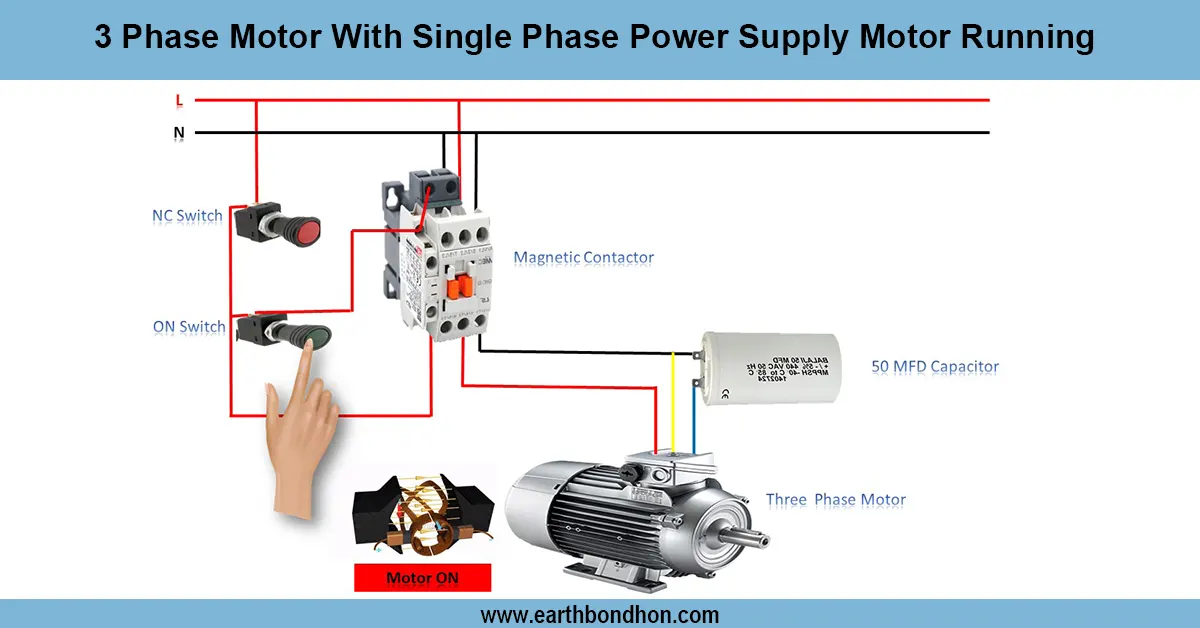
3 Phase Motor in Single Phase Connection
Learn how to run a 3-phase motor on a single-phase power supply using capacitor start or phase converter methods for reliable motor operation.

1 Switch 1 Socket connection
Learn how to wire a light and socket using one switch. Simple connection for homes and offices with a clear circuit diagram and safety instructions.
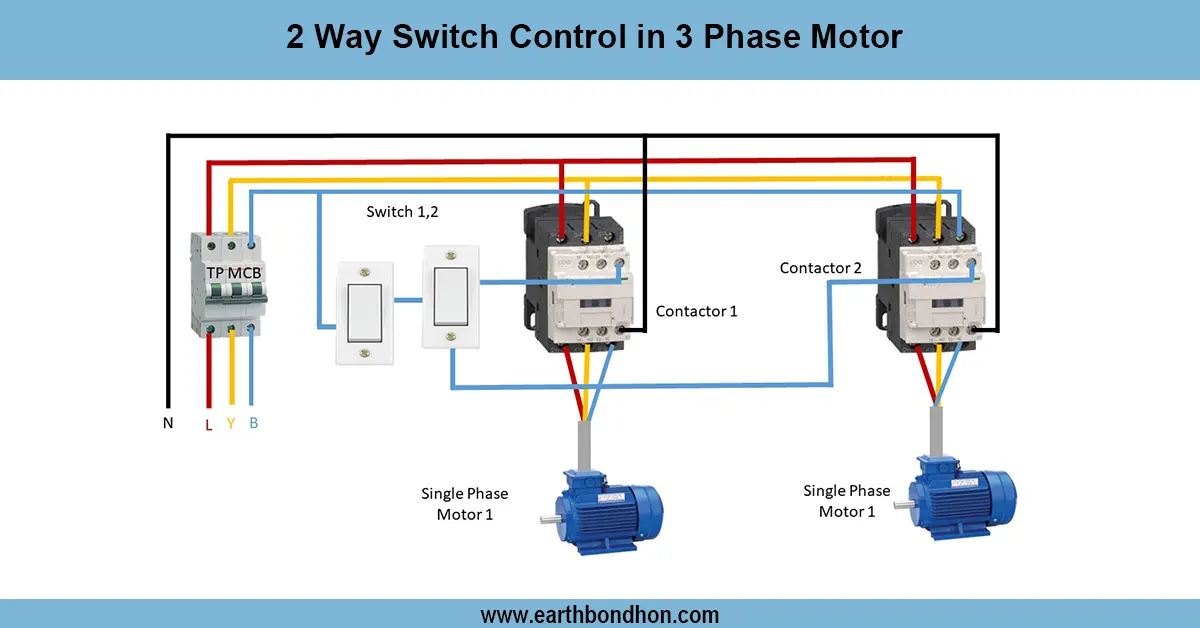
2-way Switch Control in 3-Phase Motor
Learn how to use a 2-way switch control for a 3-phase motor to operate it from two locations, including wiring diagrams and safety tips for reliable control.
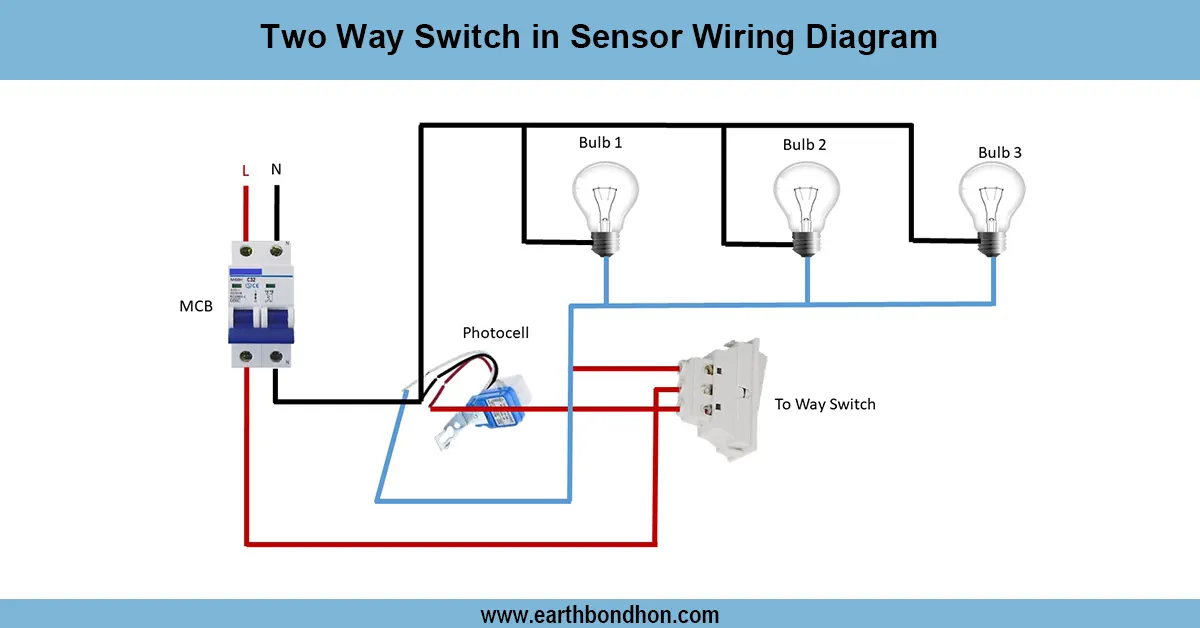
Two way light switch wiring
Wiring diagram showing how to connect a two-way switch with a motion sensor to control a light from two locations with automatic and manual override.
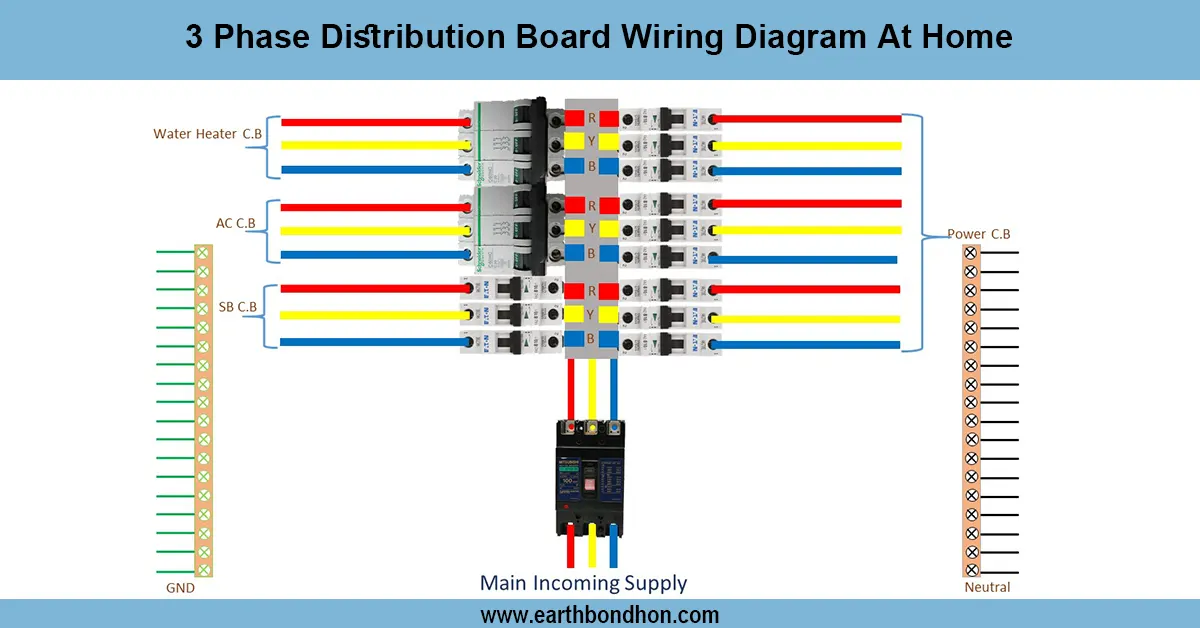
3-Phase Distribution Board wiring diagram
Simple 3-phase distribution board wiring diagram for home use, showing safe connection of power supply, breakers, neutral, and earth for residential electrical systems.
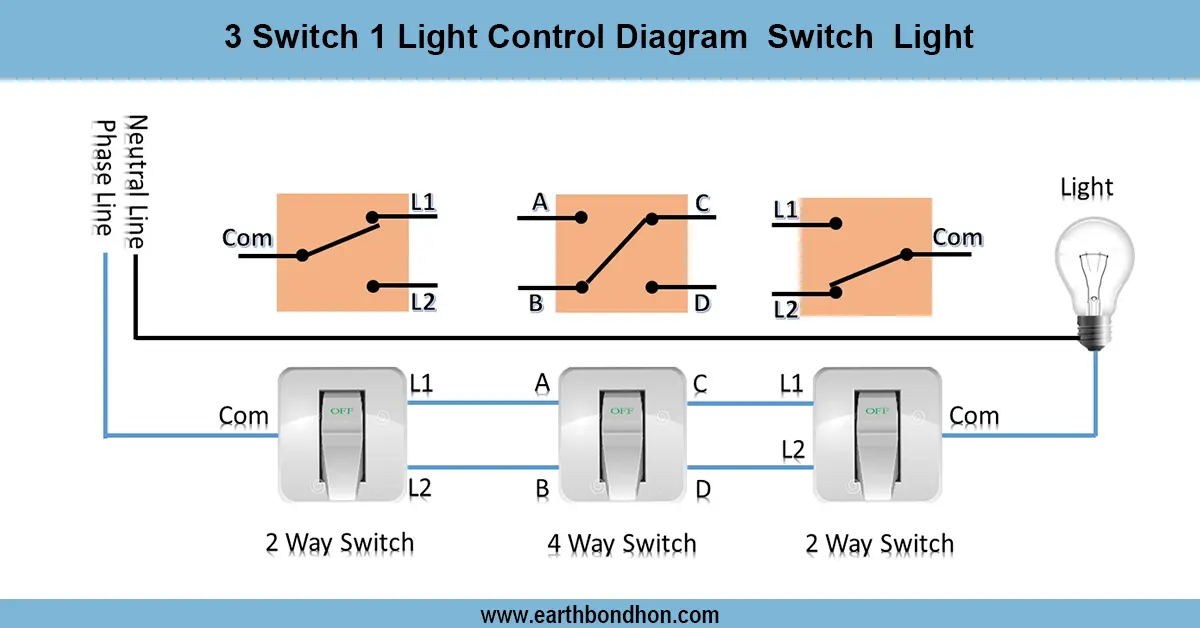
3 Switch 1 Light Wiring Diagram
Learn how to control one light using three switches with step-by-step wiring diagrams, circuit explanation, and real-life application tips for efficient electrical setups.